This topic was the most popular response, and it’s particularly close to our hearts here at MEplace. We offer daily mindfulness sessions at our nurseries for children of all ages, and mindfulness is a cornerstone of our Mind pillar (learn more about our holistic Golden Thread curriculum here).
But with questions like “How can I promote mindfulness to my 15-month-olds?” and “How can toddlers do mindfulness?”, our community wants to know if mindfulness is actually realistic for children in the early years.
Let’s find out!
What’s the deal with mindfulness?
Most of us have heard of the term ‘mindfulness’, often suggested as a coping tool for the stress and worries that modern life can bring. Mindfulness is the practice of being present in the moment, tuning in to our body’s sensations and reacting consciously, without judgement. Sounds complicated, right? Well, not necessarily…
Why is it important for under 5s?
It turns out that there are tonnes of benefits to promoting mindfulness in the early years. It helps children respond positively to stressful or challenging situations. This can provide a sense of relief and relaxation during tricky moments (read our last Research & Tips blog for more on emotional support and challenging behaviours).
Mindful activities improve attention and focus, and promote a gentle and accepting mindset. Mindfulness helps with the development of executive function – the ability to plan and achieve what we want to do. Research has shown that it can improve children’s self-esteem, too.
And better yet – mindfulness sessions can be flexible, accessible and convenient. They don’t take much time, and can be practised throughout the day, with strategies tailored to your child’s needs and preferences. It’s a win-win-win situation!
So, how can we support our young children to explore mindfulness?
Try out our top tips for mindfulness with little ones:
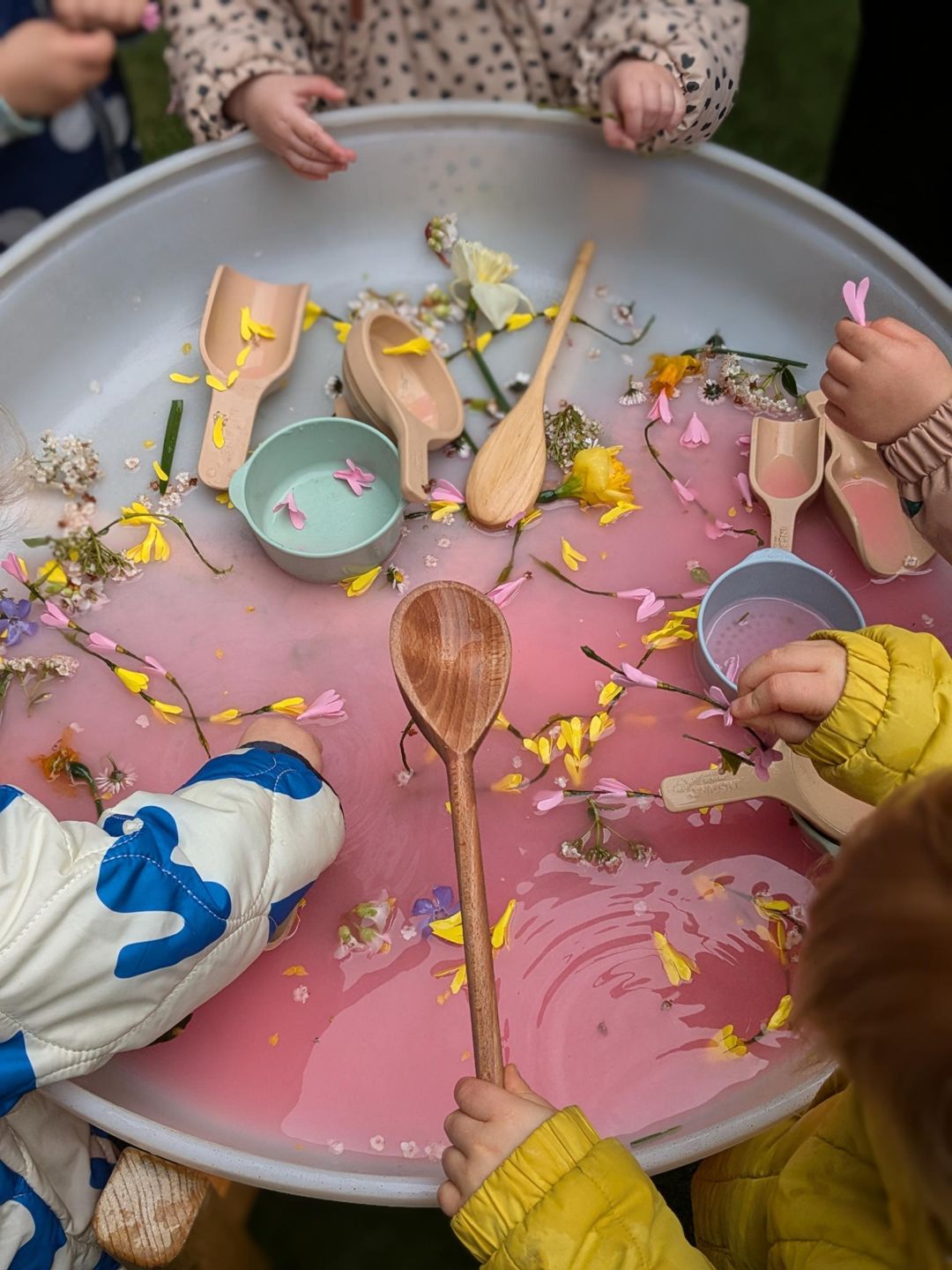
- Explore the senses. Sensory exploration and play is super important for personal, physical and emotional development. At this young age, mindfulness is all about simple, sensory experiences. Try sitting with your child and focusing on things like watching bubbles float, listening to calming music, or feeling different textures. Practise using all of the senses during your daily routine, whether it’s at snack time, bath time, or on a walk.
- And relax… Mindfulness with young children is less about teaching and more about creating calm, focused moments together. Introduce simple breathing exercises, or try out some relaxation techniques to ground yourselves in the present moment. Dot-to-dot patterns, colouring in, playdough and other simple hands-on activities can help with this.
- Keep it fun! Mindful practice doesn’t need to be complicated. Keep things fun and flexible, with simple games and visual hooks. For instance, you might try breathing maps in a rainbow shape, balance a cuddly toy on your child’s tummy to help them tune in to their breathing, or pretend that you’re inhaling the scent of a delicious hot chocolate before blowing out to cool it down. Use your imagination to be playful and positive!
- Little and often. Don’t overwhelm your child, and never force it. Mindfulness is a skill that’s developed over time – so make it a habit by practising little and often. If we practise every day, the process becomes second-nature.
- Mindful talk. As part of your daily routine, ask questions which prompt mindful responses. You could talk about how your child feels after waking up from a nap, or explore what the leaves feel like under their welly boots. Try to model mindful talk by ‘thinking aloud’, with phrases like “I feel calm and ready after our tasty breakfast”, or “listen – the pitter-patter of the rain is so soothing…”
So, why not try out some of these techniques with your child? Even with the smallest of mindful practices, you’re bound to notice an impact – and remember, change is gradual.
In our next blog, we’ll dive deeper into your suggested topics. For now, take a mindful moment for yourself.



.avif)